
Lighting selection guide
A smooth light line starts with the right combination of silicone profile, LED strip and installation detail. Here is what to check before choosing a tube or requesting a sample.
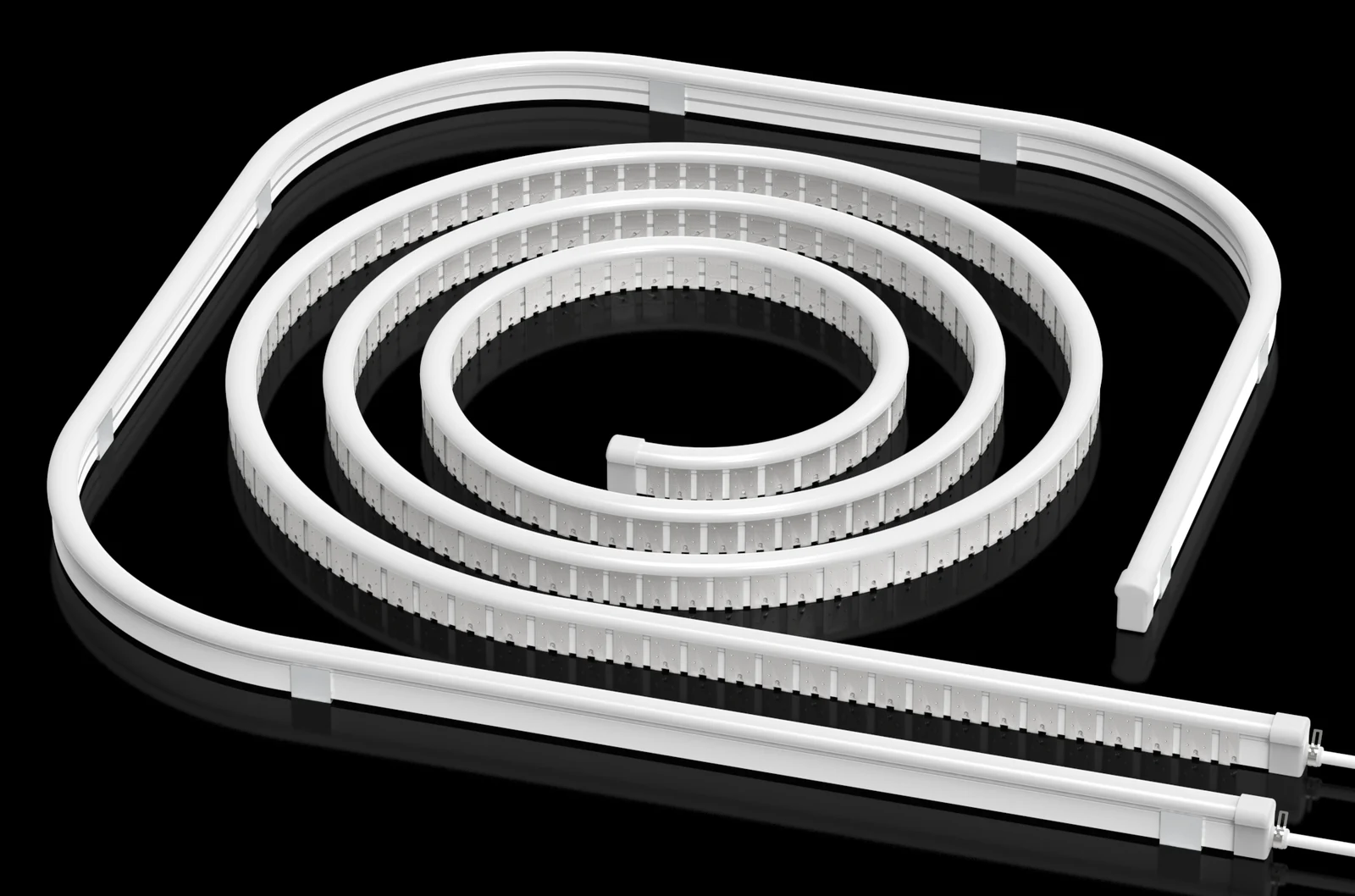
Choosing silicone neon tubes? Start with the scope of supply. An empty silicone tube needs a separately matched LED strip. A finished LED neon flex product already includes the light source, but the driver, mounting parts and connections still need to be specified. Then check the profile shape, internal fit, permitted bend and installation environment.
Silicone Neon Tubes vs. Finished LED Neon Flex
These terms are sometimes used for different products. A silicone neon tube is a flexible housing or diffuser used with an LED strip. The silicone does not generate light. A finished LED neon flex assembly combines the housing with a light source.
Deciding which format you need first makes the rest of the specification clearer. If you already have a selected strip, focus on tube compatibility. If you need a luminous product, request the complete assembly specification rather than a tube-only drawing.
| Format | What you are selecting | What to confirm |
|---|---|---|
| Silicone tube only | A housing to match with a separate LED strip. | Internal channel, strip fit, insertion method and end details. |
| Finished LED neon flex | A flexible lighting assembly that includes LEDs. | Electrical data, bend limits, cut points and supplied connections. |
| Custom silicone profile | A cross-section developed around an installation or assembly requirement. | Drawing, interfaces, material requirements and sample acceptance criteria. |
AlisterTech supplies LED silicone tubes, finished LED neon flex and separately sold LED strip lights. State which format you need so your enquiry reaches the appropriate product review.
Which Profile Shape Fits Your Installation?
Flat, domed and round describe the external cross-section, not a guaranteed lighting effect. Use the actual section drawing to check the visible surface, mounting interface and space available for the strip.
- Flat profiles: compare the face width with the intended light line and the opening in the mounting surface.
- Domed profiles: check how far the curved face projects and whether that exposed shape suits the detail.
- Round profiles: confirm the intended visible arc, support method and cable exit. A round exterior alone does not prove all-around illumination.
Keep shape and bending direction separate. A top-view or side-view description concerns where light exits; it is not sufficient evidence of how a particular product may bend. Ask for a bending diagram that identifies the emitting face, allowed bending plane and minimum radius.
Start from the installed section. Mark the surrounding surface, viewing direction and LED position on a sketch. This is more useful than choosing from a front-facing product photo alone.
Six Checks Before Ordering Silicone Neon Tubes
1. Check the internal channel, not just the outside size
Provide the strip width and the height of its components, joints and connections. Two strips with the same board width may not require the same clearance. Review how the strip will enter the tube and how its ends will be finished.
2. Review the actual light appearance
The diffuser and LED arrangement work together. Ask to evaluate the selected tube with the intended strip, rather than assuming a different sample will produce the same result. Look at visible LED points, brightness variation and the appearance at ends or joints from the intended viewing distance.
3. Confirm the route and permitted bend
Send a drawing of curves and corners. Do not force a product into a bend simply because the silicone feels flexible. The assembled product, including its LED strip, needs to suit the route. Check radius limits and whether a corner should use a bend, a separate section or a specified connection.
4. Specify the mounting and end details
Identify recessed, surface-mounted or other support requirements. Include the substrate, groove and cable access in the review. End caps, mounting clips and connectors should be matched to the selected profile; similar-looking parts are not evidence of compatibility.
5. Match the complete assembly to its environment
State whether the installation is indoors, exposed to weather or subject to cleaning and moisture. Do not infer an assembled light’s ingress protection from the silicone material alone. Confirm the applicable documentation for the exact product and its finished ends and connections.
The IEC 60529 IP Code classifies protection provided by enclosures. It does not assign an automatic rating to every product made from a particular material.
6. Evaluate a representative sample
Agree on what the sample must demonstrate: fit, light appearance, bend, mounting and connection. Use the intended strip and a representative installation detail where possible. Keep a record of the accepted configuration so the quotation refers to the same combination, not just the same exterior shape.
Match the Light Line to the Application
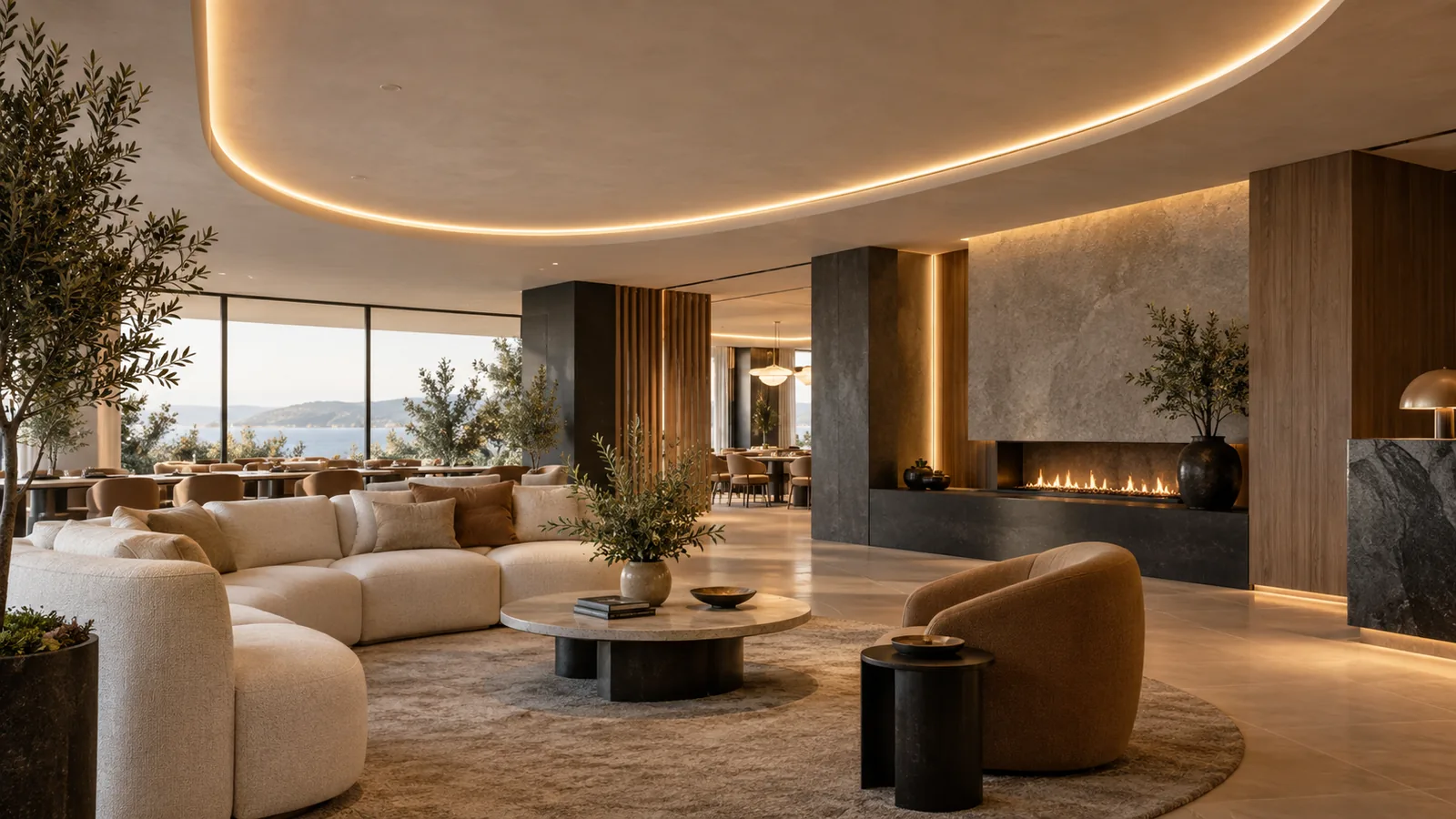
Architectural lines and coves
Begin with the recess, route, visible face and access for maintenance. A clean detail depends on both the lighting product and how it meets the surrounding surface. Explore architectural linear lighting applications when preparing the installation drawing.
Signs, lettering and brand outlines
Letter geometry makes bends, stroke width and cable routing important. Identify tight curves and interrupted strokes before selecting a profile. The signage and branding guide provides an application starting point, not a substitute for the selected product’s bending specification.
Furniture, cabinets and displays
Check available depth, the viewing position and the way light falls across the surface or displayed objects. Include how the light can be accessed after assembly. Review furniture and cabinet lighting alongside the proposed joinery detail.
What Should You Send for a Useful Quotation?
A short, specific enquiry is more useful than a long list of generic requirements. Include the following where available:
- Product format: tube only, finished neon flex or custom profile.
- Drawing or sample: cross-section, available space and installation route.
- LED information: strip model or datasheet, dimensions and intended light appearance.
- Assembly details: mounting, cable exits, end caps and connections.
- Project scope: lengths, quantity, application, destination market and documentation needs.
If you do not yet have a drawing, send a clear sketch or reference sample and explain which parts of the installation cannot change. For an unusual channel, interface or cable exit, custom silicone extrusion may be the appropriate route.
AlisterTech can review drawings and sample requirements. Dimensions, compatibility, applicable documentation and supply terms are confirmed for the quoted configuration rather than assumed across the whole range.
Frequently Asked Questions
Do silicone neon tubes include LEDs?
Not necessarily. A tube-only product is a silicone housing without the light source. Finished LED neon flex includes LEDs. Confirm the exact scope of supply, including any cable, driver or mounting parts, before ordering.
Can I use a COB or SMD strip inside the same tube?
Not by name alone. Match the actual board width, component height, connections and intended light output to the tube. A sample review is useful when the strip or profile combination has not been established.
Is top-view the same as top-bend?
No. Viewing or emitting direction describes the light, while bending direction describes the permitted mechanical movement. Use the selected product’s drawing and bending instructions to confirm both.
Are all silicone neon tubes suitable for outdoor use?
No blanket outdoor claim should be assumed. Review the intended environment and documentation for the selected product. For a finished light, its end seals, cable entries and connections also need to meet the project requirements.
Can silicone neon tubes be cut to any length?
Distinguish the empty tube from a finished lighting assembly. Cutting a finished product is constrained by its LED circuit and approved finishing method. Confirm allowable cut points, the required length and end treatment before cutting or ordering.
When should I request a custom profile?
Consider a custom profile when a standard section cannot accommodate the installation space, light path, strip position or connection detail. A section sketch and the dimensions that must remain fixed provide a practical starting point.
Have a Profile or Lighting Detail to Review?
Send your drawing, strip information or sample details. Tell us whether you need silicone tubing, finished neon flex or a custom section, and we will review the next practical step.